In response to the current warning from the National Cyber and Information Security Agency (NÚKIB) regarding the high threat of cyberattacks on systems managed from China, the Czech development team at SOLSOL is launching Guardexy—a unique security device for photovoltaic power plants. It offers photovoltaic owners, companies, and municipalities effective protection for their installations against unsolicited external commands, a requirement also mandated by the new Cybersecurity Act. This act will come into force on November 1. As a result, it will not be necessary to implement a blanket ban on Chinese technologies, which currently account for over 90% of installations in the Czech Republic.
According to NÚKIB, the remote management of solar technologies from the territory of the People’s Republic of China represents a high cyber threat.
“We realized that as a standard distributor, we could control thousands of power plants without restriction. It is clear that someone with more malicious intentions could act just as easily. Guardexy comes as a response to this vulnerability,” says Martin Novák, Technical Director of SOLSOL and head of Guardexy device development.
“Given that over 90% of photovoltaic installations in the Czech Republic run on Chinese inverters, a blanket ban is unrealistic. Guardexy provides a solution that protects users and infrastructure without radical interference in the operation of already installed photovoltaics,” states Svetozár Nosko, co-founder of the startup MaNoSens, responsible for the development of Guardexy.
Unique Technology of Czech Origin
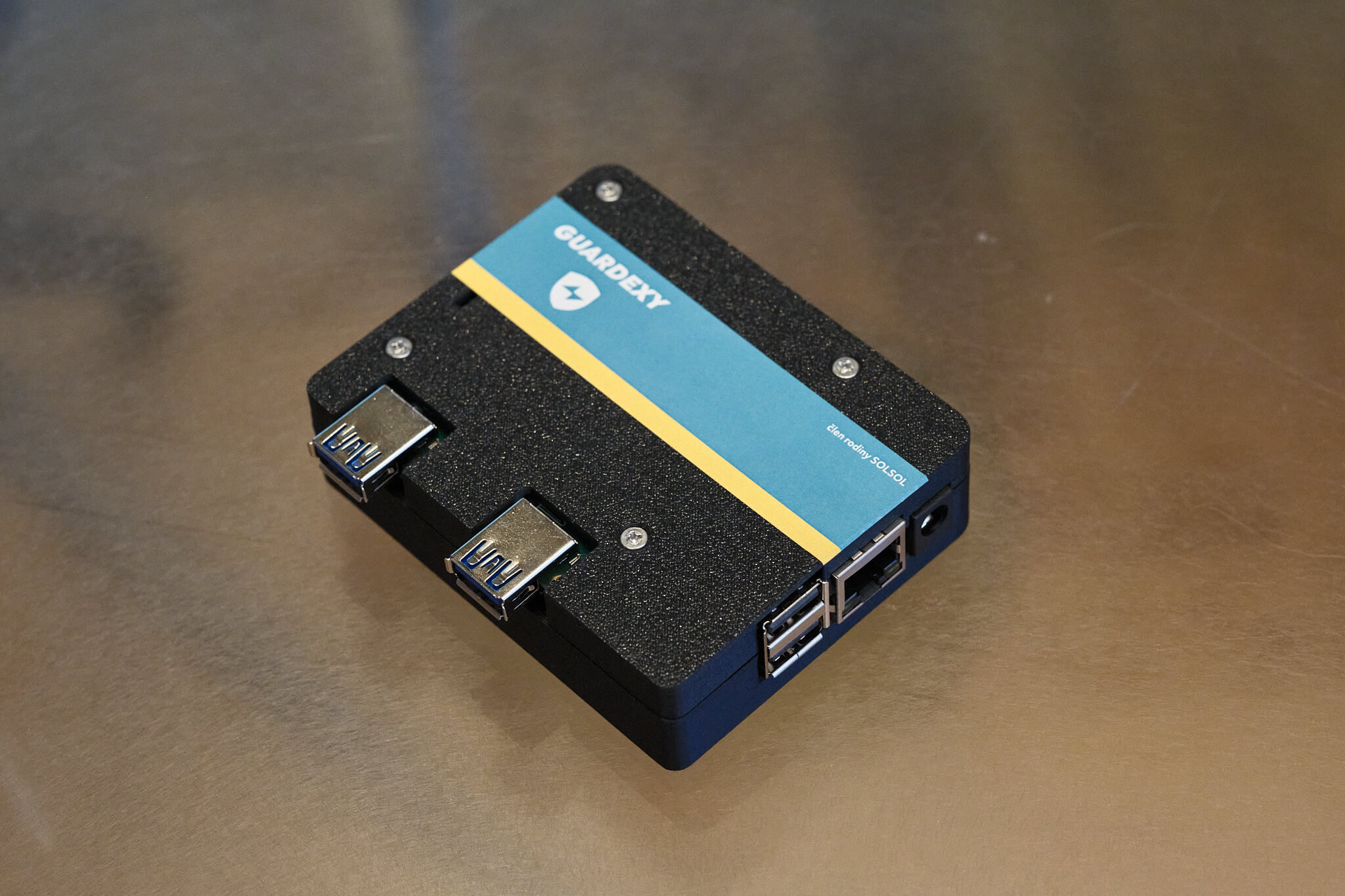
Unlike conventional firewalls that only block outgoing communication, Guardexy filters data flows in both directions, can audit, log, and block suspicious commands, and provides transparency in communication between the inverter and the manufacturer’s cloud. Key components originate from the EU, and production takes place entirely in the Czech Republic. For the user, it is a simple plug-and-play solution that can be set up within 10 minutes without the help of an electrician.
“Our goal is not to disconnect or ban technologies. In the current situation, that would be economically unfeasible. We offer a smart filter that gives users, companies, and municipalities control over what is happening in real time,” adds Novák.
“Foreign markets do not yet offer anything similar. All existing solutions take the path of completely disconnecting the photovoltaics. Guardexy allows for an immediate response to a potential threat—without waiting for systemic measures at the state or EU level,” adds Matúš Nosko, co-founder of the startup MaNoSens, responsible for the development of Guardexy.
Energy Cybersecurity Is at the Forefront of Interest
“We must distinguish between installations that are already operational today and those that are just being built. Each of these groups requires a different approach. The goal is to find a solution that shields against the greatest threats—primarily coordinated mass attacks or remote inverter commands. Their misuse could lead to a threat to the stability of the distribution grid,” explains Erika Langerová, Head of the Energy Cybersecurity Team at UCEEB CTU.
“The importance of decentralized sources, such as photovoltaics, is immense. This is also confirmed by the experience from Ukraine. It is precisely the attacks on energy infrastructure there that show how important it is not only to have dispersed and backup sources but also to actively and preventively protect them from cyber threats,” points out Martin Bursík, Chief Analyst at the Chamber of Renewable Energy Sources.
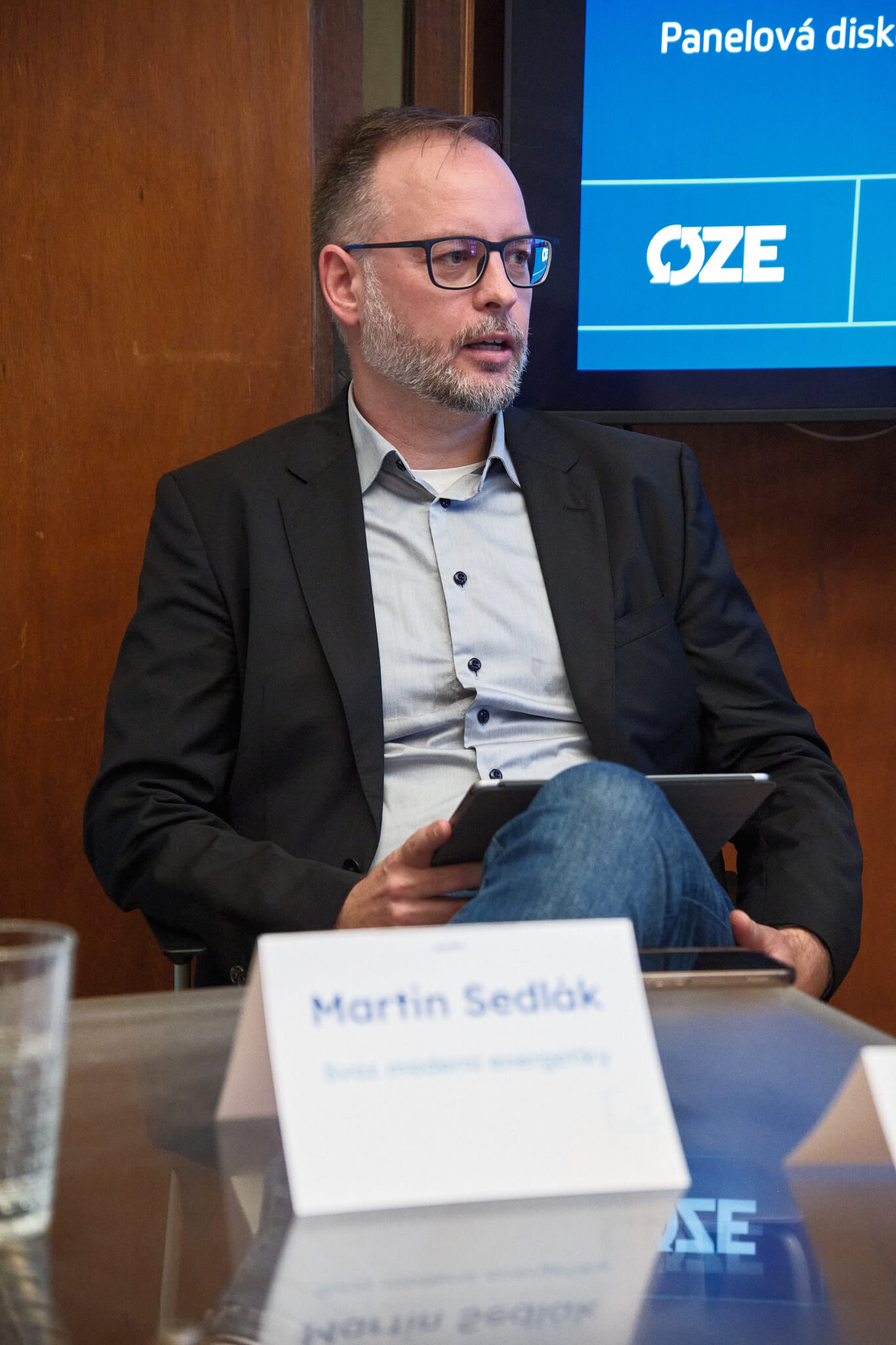
“Solar energy, along with other renewable sources, strengthens Europe’s energy resilience. For these solutions to fully develop their potential, it is essential to ensure their cybersecurity. The way forward is to support the development of European technologies that can protect data and operations from attacks or misuse. In addition to strengthening the production of key components directly in Europe, innovations that ensure the safe operation of decentralized photovoltaic systems also play a vital role. It is precisely with this second option that the solution from Brno developers promises to help,” adds Martin Sedlák, Program Director of the Union of Modern Energy.
About the Guardexy Product
Guardexy is a Czech security device from SOLSOL designed specifically to protect photovoltaic inverters from cyber threats. It allows for the monitoring and filtering of data flows between devices and manufacturer servers, protecting against misuse and strengthening the resilience of the entire energy infrastructure. The project is backed by a team of experts in the fields of energy and cybersecurity. All key components originate from the EU, and production takes place in the Czech Republic.
Photo Gallery